Direct lines of communication, quick turnaround














10 July 2026
Determining water quality involves sampling and chemical analytical testing to determine groundwater quality. The results form the basis for remediation advice, permit processes, and discharge conditions.
Water quality determination
Groundwater samples are taken via pressure tubes by our own certified field workers. Analyses are performed in the laboratory. We look for contaminants such as heavy metals, mineral oil, volatile aromatics, and chlorinated hydrocarbons, depending on the historical profile of the location.
Groundwater, (agricultural) runoff and drainage water, cooling water, process water and industrial wastewater. We prepare the monitoring plans and perform all measurements with our own personnel and equipment. Analyses include, among other things, COD, crop protection products (GBM's), nutrients, germ count, PFOS/PFOA and pathogens.
For each field survey, we first conduct a historical preliminary study. Based on this, we determine which parameters are relevant and how deep we need to measure.
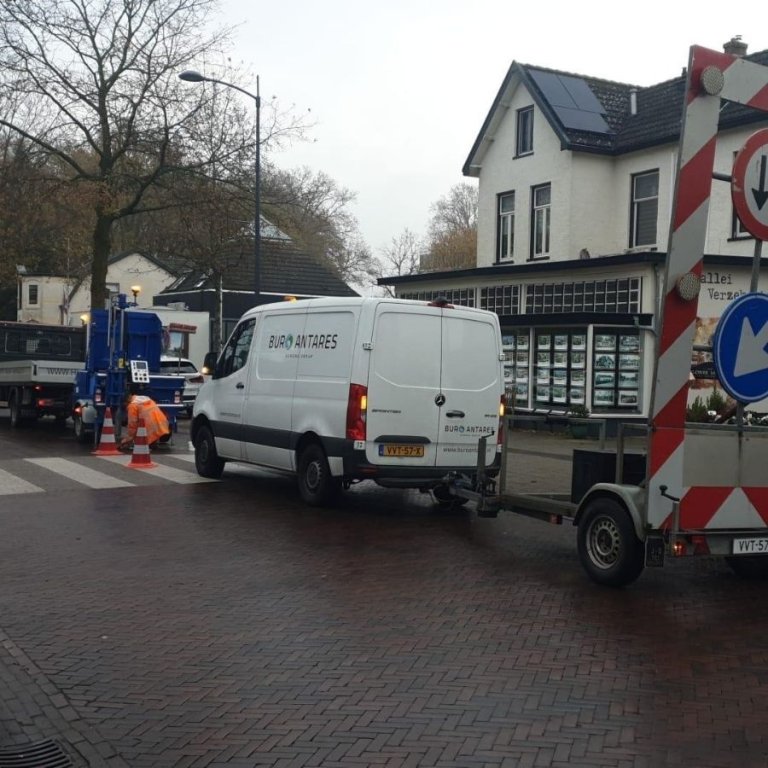
Our certified field workers install level pipes, take samples, and perform measurements on-site. Because we do not employ contractors, the lines are short and quality is guaranteed.
Results are analyzed by our advisors. You will receive a clear report with the measurement values, conclusions, and concrete follow-up steps.

Do you have a question? View our most frequently asked questions or contact us directly.
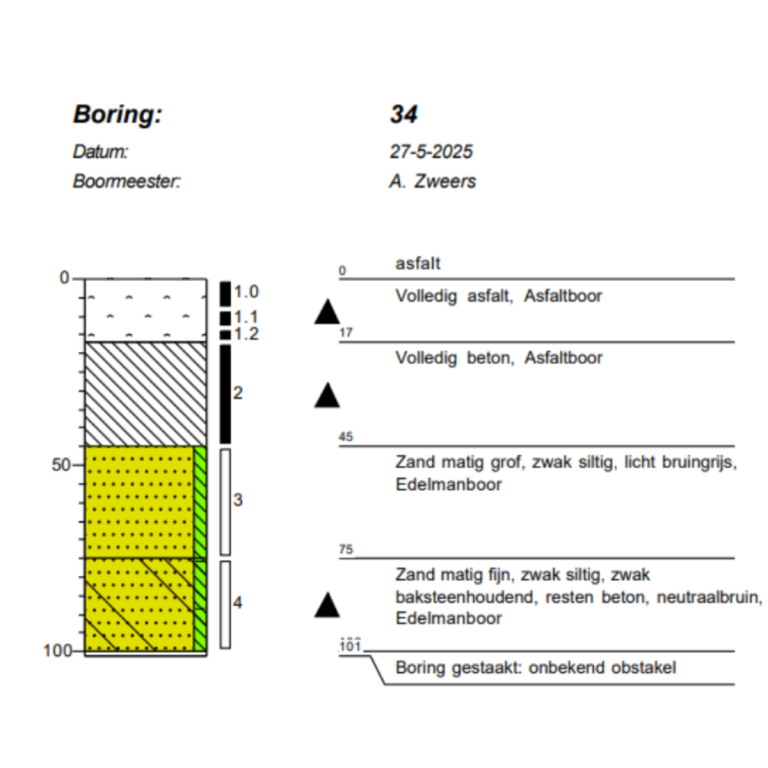
Get in touchAs a standard procedure, we investigate down to approximately 5 meters, with level pipes placed at approximately 4 meters. In the event of suspected heavier contaminations (for example, chlorinated substances that can penetrate deeper), we investigate down to 10 or 20 meters.
For exploratory soil and groundwater investigations, we follow NEN 5740. For asbestos in soil, we use NEN 5707. Sampling is carried out under BRL 2000 (exploratory investigations) and BRL 1000 (partial sampling).
Standard investigations take approximately six weeks from start to finish, including the report. In urgent projects, we can move more quickly by utilizing our own field capacity.
Our partners
With the right partners you make all the difference. We work together with specialists who reinforce our quality and contribute to sustainable solutions for every project.
News