Our own field workers














10 July 2026
Asbestos in the soil poses a health risk during excavation or processing. Buro Antares conducts exploratory and detailed asbestos investigations in accordance with NEN 5707 and provides functional advice on remediation, covering, or leaving it in place.
Asbestos testing
Asbestos can be present in the soil due to the demolition of asbestos-containing buildings, the sealing of drains with asbestos-containing debris, or past industrial activities. Materials used mainly between 1945 and 1994 are particularly suspect. Asbestos in soil poses a health risk during excavation or processing.
In some situations, asbestos testing in the soil is required:
Our approach
From exploratory research to functional advice, according to NEN 5707.
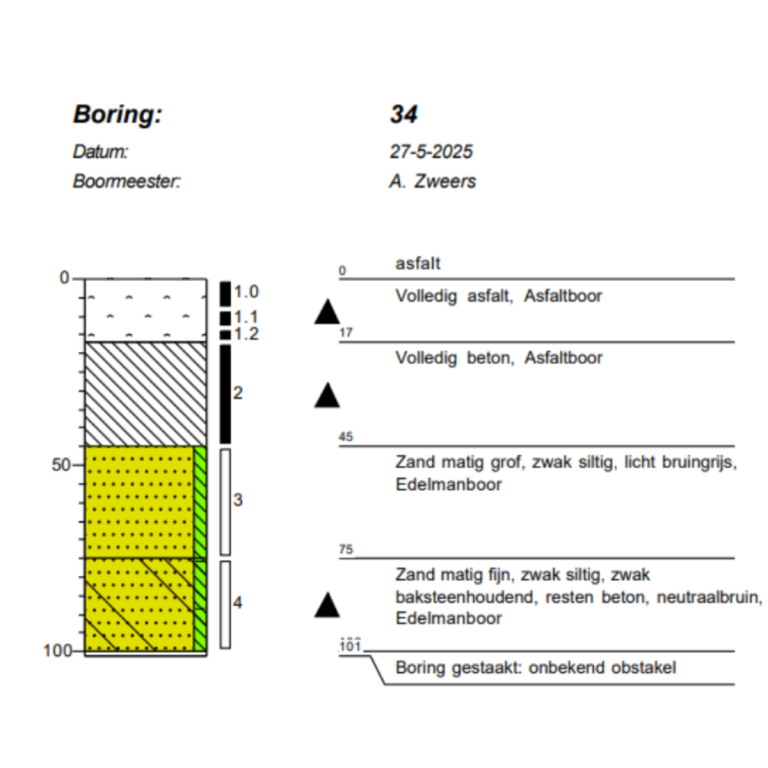
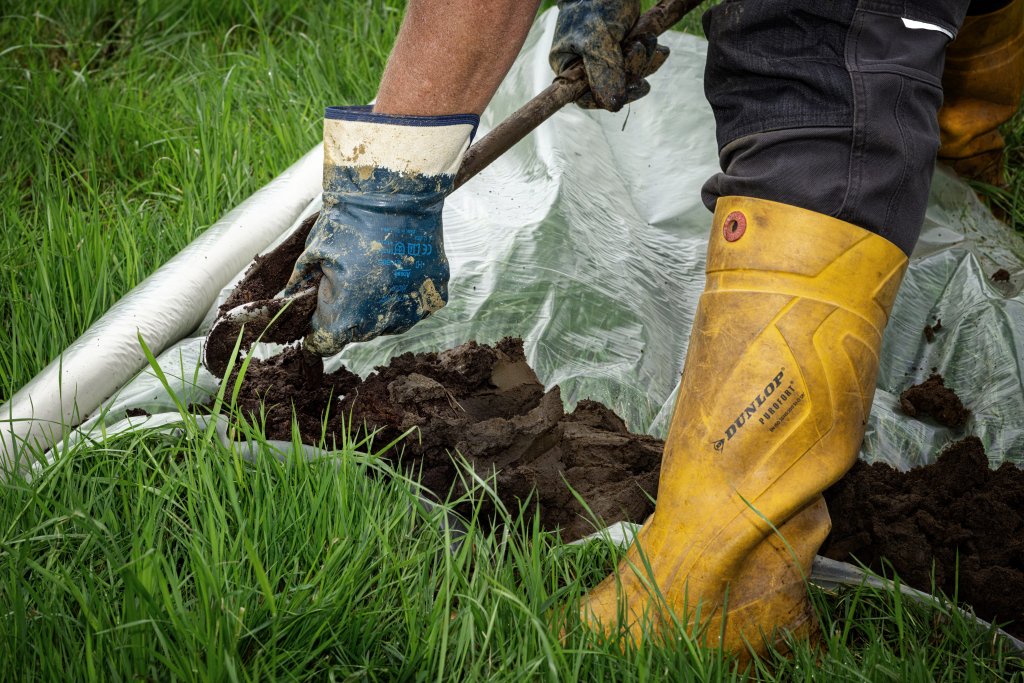
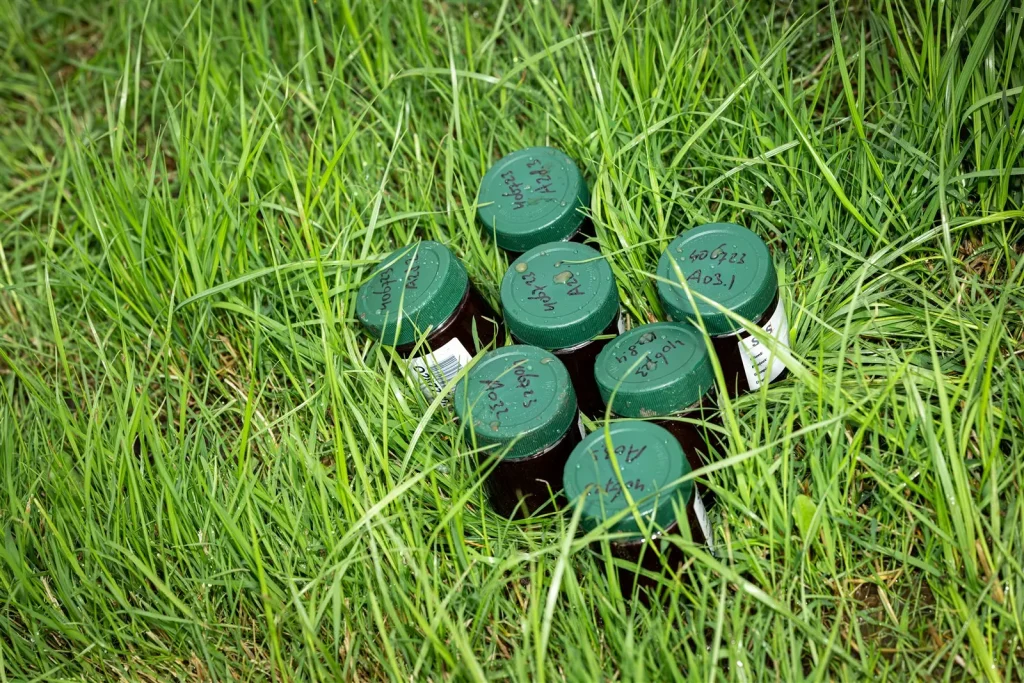
We dig holes 30 by 30 centimeters to 50 centimeters at a depth of 1 meter and dig the soil. In the fraction above 2 centimeters, we visually assess for asbestos-related particles; the fine fraction is sent to the lab for microscopic analysis. Threshold values: below 50 mg/kg no further investigation, 50–100 mg/kg further investigation recommended, above 100 mg/kg remediation is almost always required.
In the event of suspicion of or exceeding levels, we dig trenches 2 to 14 meters long per spatial unit of 1000 m² (5 trenches per unit). The soil is thoroughly sieved and analyzed.
Based on the research, we recommend covering the area with a concrete slab or durable hardscaping, excavating and disposing of the debris (with Verhoeve), or leaving it as is if the risk for the intended use is low enough.
FAQ
Do you have a question? View the most frequently asked questions or contact us directly.
Get in touchAround former asbestos factories (for example in Goor) and at sites where demolition activities took place before 1994. Damming works are a well-known example.
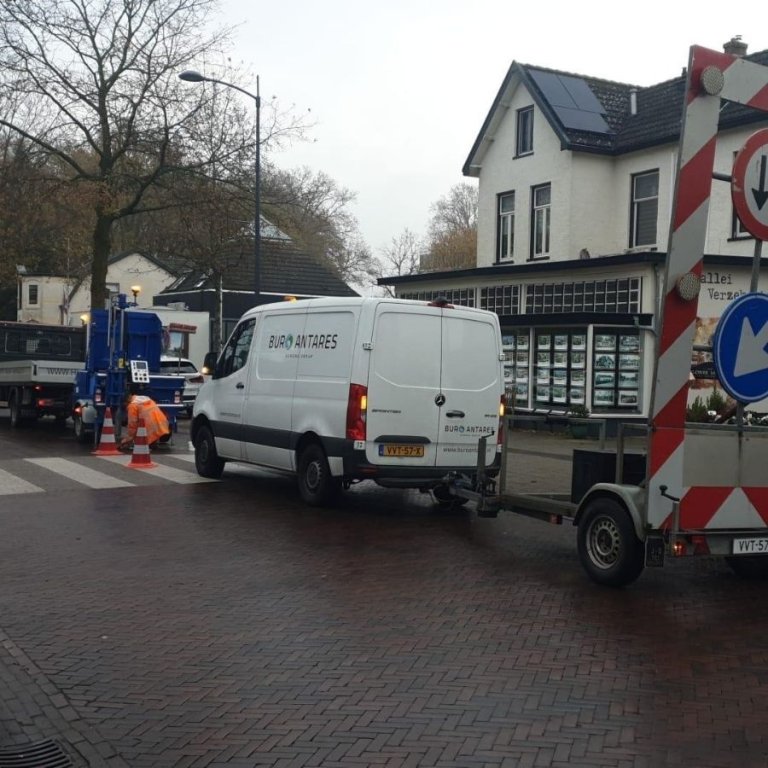
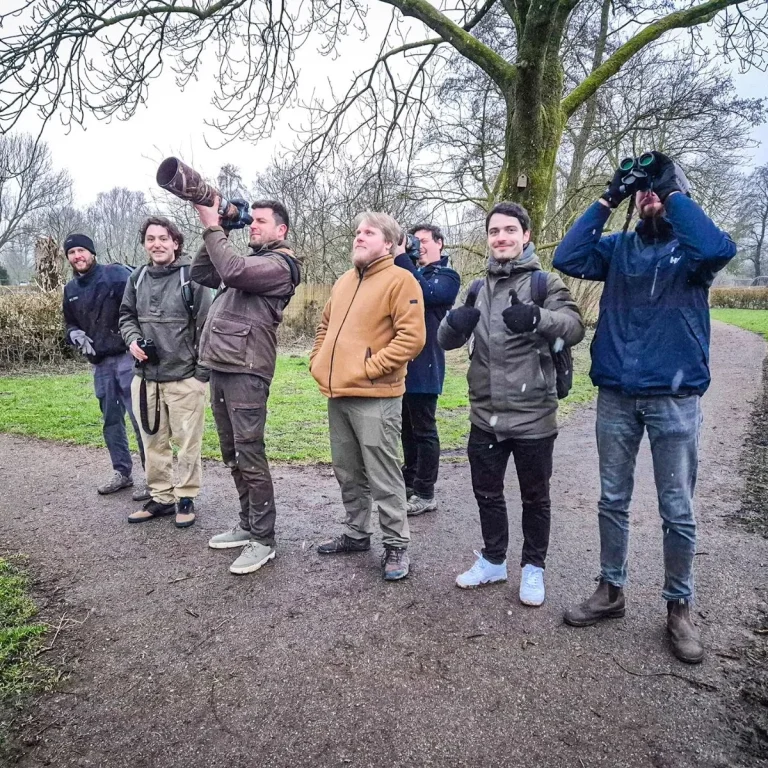
Our field workers have been trained to recognize asbestos-tainted tiles and debris in the soil. In case of doubt, they always take a sample for laboratory analysis.
That depends heavily on size and complexity. For a fixed price, you are best advised to contact us; we will then make an offer based on your location and purpose.
Our partners
Within Aurora Group, we work alongside specialists who enhance our quality and cover the entire process, from research to execution and aftercare.
News