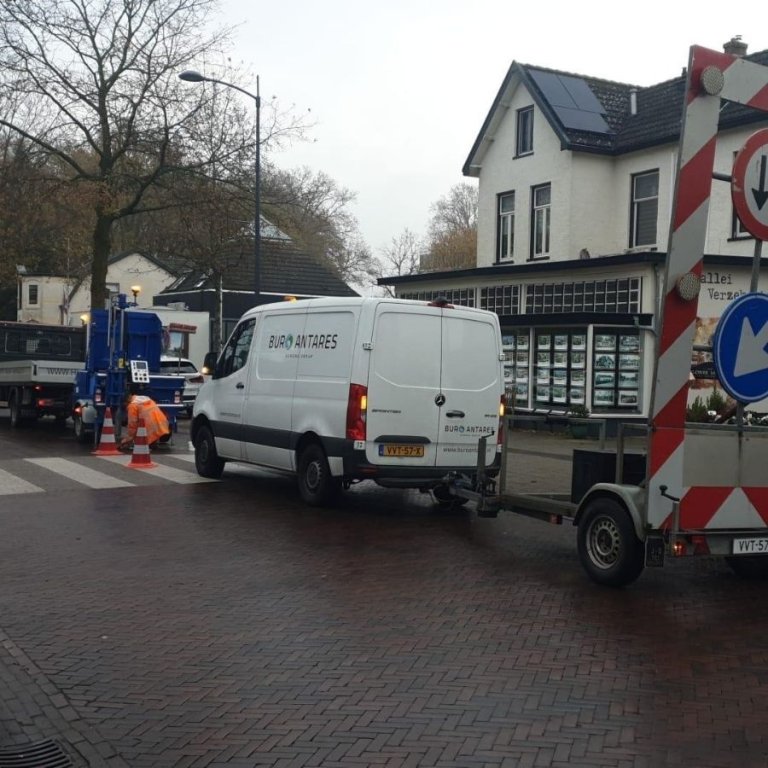
Our own field workers
















10 July 2026
An infiltration study measures how quickly water can sink into the soil. In new construction sites, the goal is to infiltrate rainwater locally as much as possible as part of sustainability measures, rather than discharging it into the sewer system. But not every soil is suitable for this.
Rainwater
An infiltration study measures how quickly water can sink into the ground. In new construction, developers are often required to treat rainwater from pavements locally. We determine whether the soil is suitable for this.
Our approach
Above and below the groundwater, often combined with soil research.
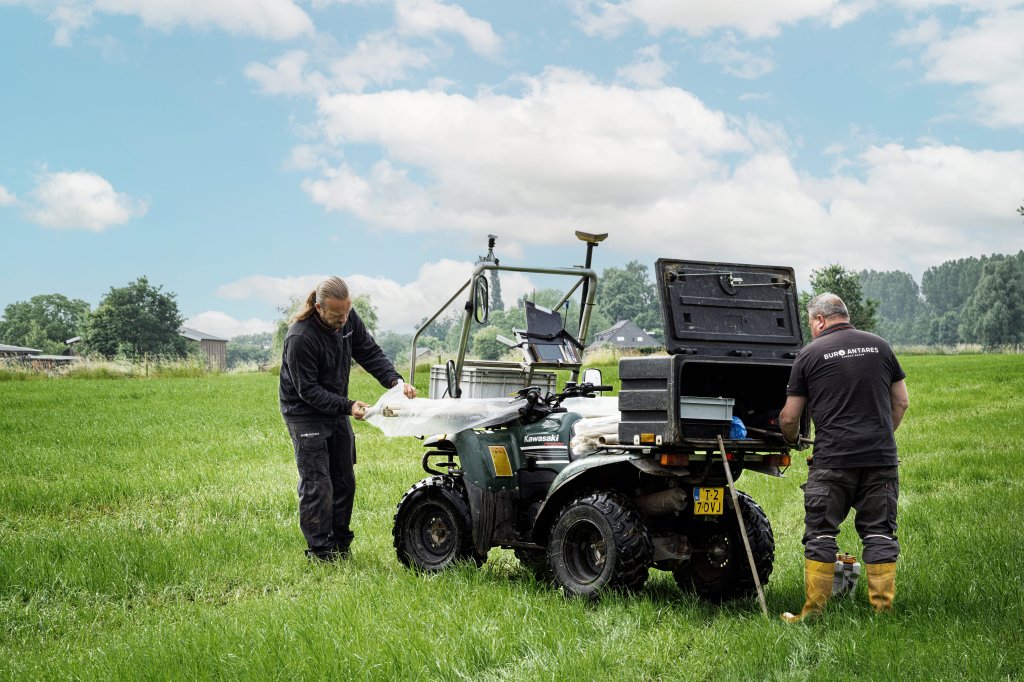
For the unsaturated zone, above the groundwater. We let water slowly drain into the soil and measure how fast it does so. A computer program calculates the permeability based on the measurement data.
For the saturated zone, below the groundwater. We extract water from the soil and measure how quickly it seeps out. This provides insight into the permeability of deeper soil layers.
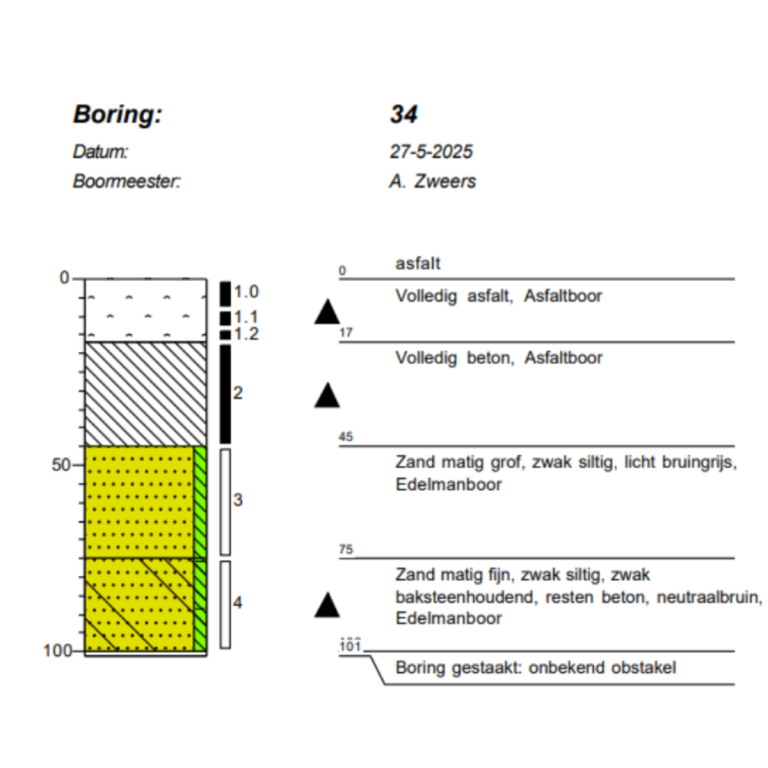
We often combine the infiltration investigation with exploratory soil testing during the same phase. This saves field work, lead time, and costs, and reduces the inconvenience on-site.
FAQ
Do you have a question? View the most frequently asked questions or contact us directly.
Get in touchMunicipalities, project developers and contractors who have to deal with rainwater during development or reconstruction. Often it is civil engineering consulting firms that use our measurement data for their designs.
Then that is an important consideration for the design. Wadi and infiltration ditches must then be sized larger, or an alternative must be chosen such as water retention.
The fieldwork itself is usually completed in a day. The report follows within a few working days.
Our partners
Within Aurora Group, we work alongside specialists who enhance our quality and cover the entire process, from research to execution and aftercare.
News