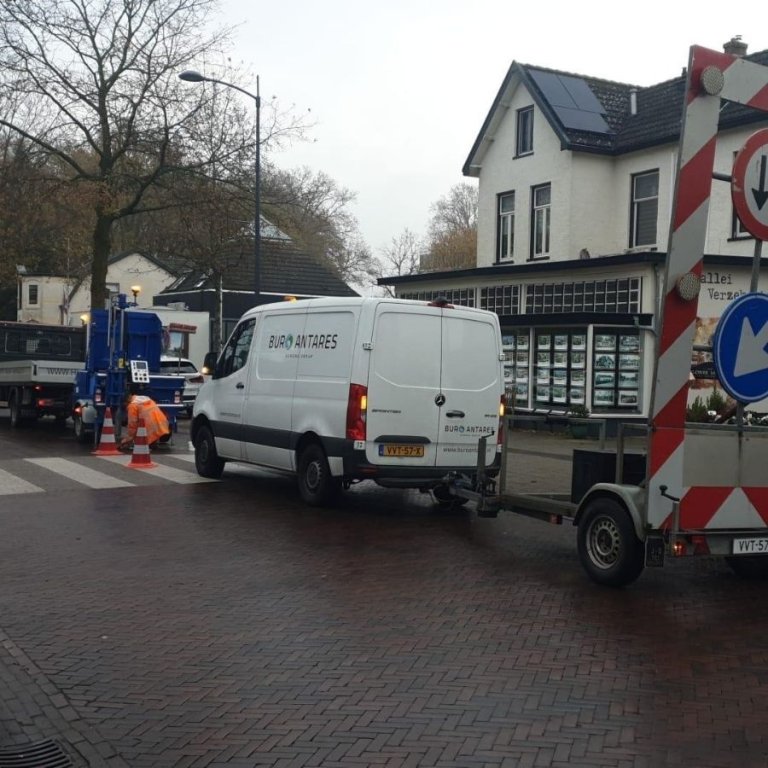
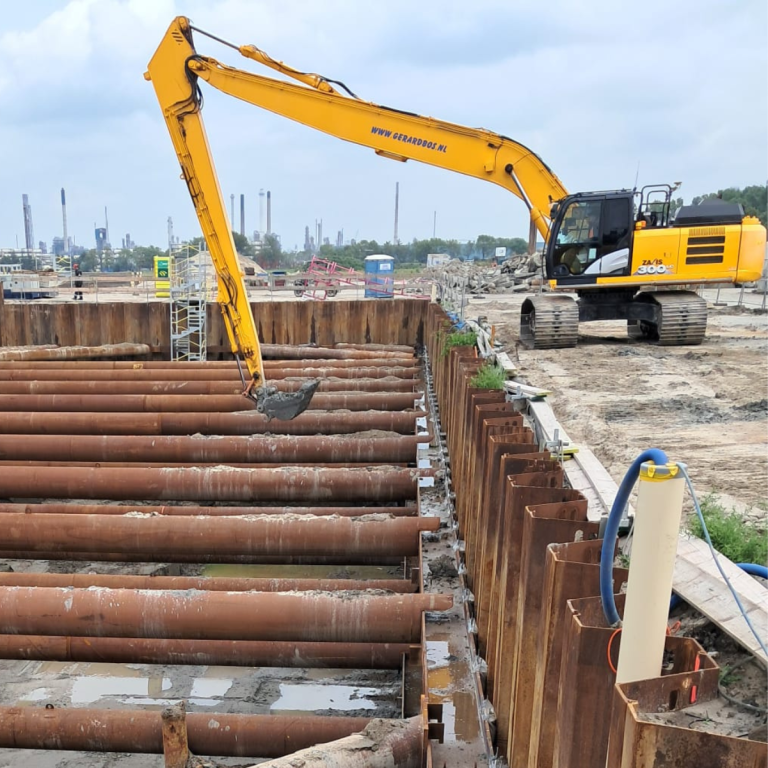
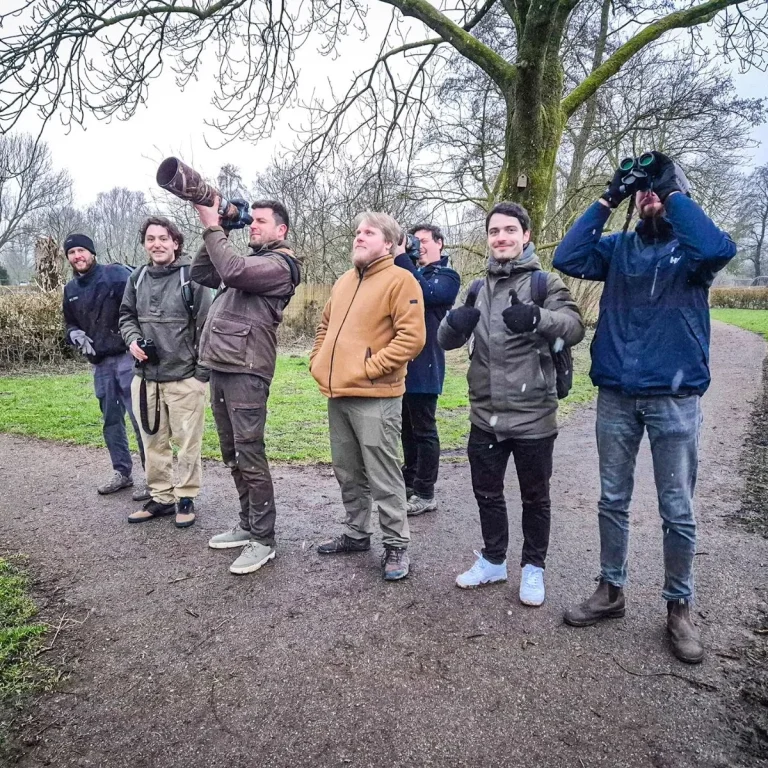
Our own field workers










10 July 2026
When purchasing a plot of land, you want to know that you are not buying a “cat in a bag”. Buro Antares maps out the risks associated with the land and estimates the potential remediation costs.
Due diligence
When purchasing land, you want to know that you are not buying a “cat in a bag”. Buro Antares maps the risks associated with the land and estimates any remediation costs. We also provide advice regarding the layout of the land: can a smart layout reduce remediation costs?.
Our approach
From a historical image to a recommendation that you can negotiate with.
We map the historical use of the site. Which companies have occupied it? What processes took place? Based on that, we determine which risks are relevant.
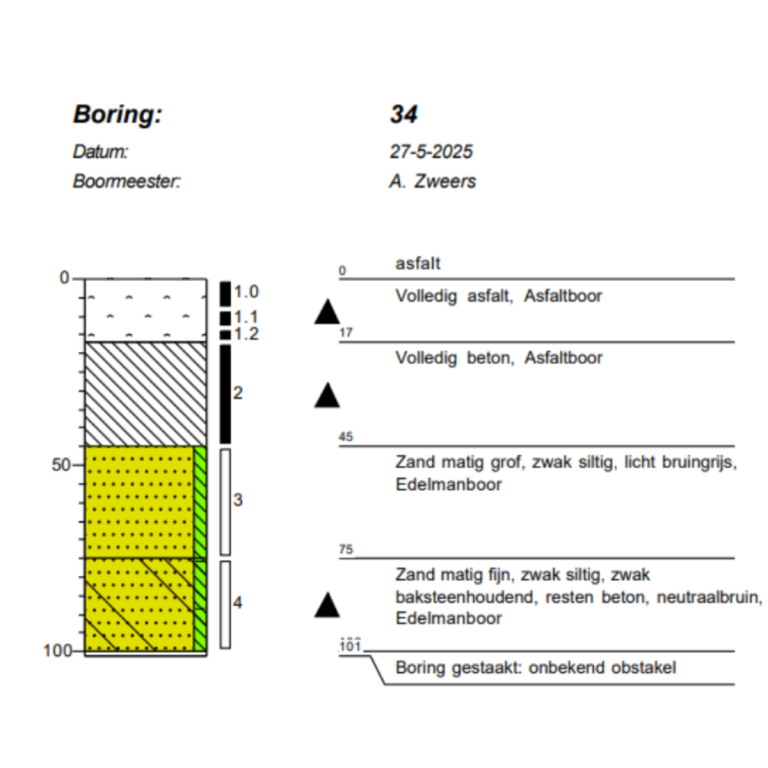
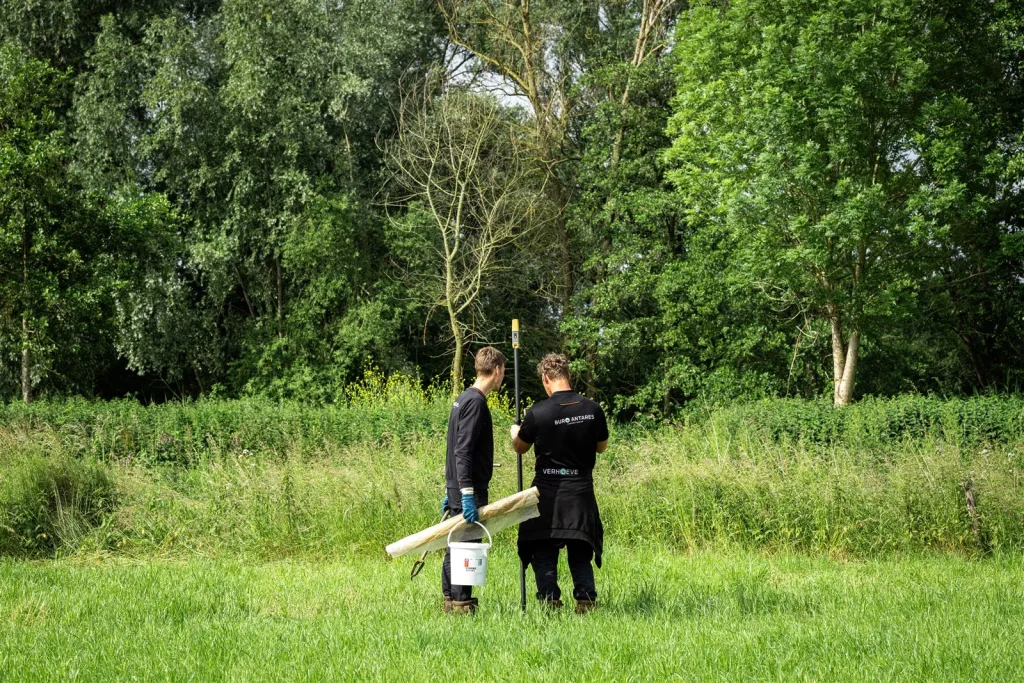
Depending on the historical profile, we conduct exploratory or more detailed soil investigations. We measure where the risks lie and how large they are.
We calculate what it costs to make the soil suitable for the intended use. An old industrial site that becomes a new industrial site often costs little extra; if it is for housing or a play area, it can cost a lot more.
We prefer to place underground structures, foundations, cable and pipe lines, play areas and greenery in clean areas. We take the front into account so that you do not have to carry out unnecessary renovations.
The result
A clear report with the risks identified, a substantiated cost estimate and concrete advice on the layout of the site.
A document that you can immediately use in transaction negotiations or funding applications.
FAQ
Do you have a question? View the most frequently asked questions or contact us directly.
Get in touchEspecially buyers of land. Sometimes sellers also want to take a proactive look at the soil quality. Financial institutions often ask for this as well.
A quick scan based on historical data can be completed within a week. A full investigation, including fieldwork and cost estimation, usually takes six weeks.
Yes. Under current legislation, not everything needs to be removed. With good justification, you can leave out pollutants and design your development around them. We provide that justification.
Our partners
Within Aurora Group, we work alongside specialists who enhance our quality and cover the entire process, from research to execution and aftercare.
News