Direct lines of communication, quick turnaround
10 July 2026
Source: Building Advice
Rare plants are disappearing at a rapid pace from our landscape. The municipality of Arnhem wants to do something about that. Together with Buiting Advies and Natuurpro, an inventory has been compiled of which typical Arnhemian species can be saved. But how do you save rare plants in an urban environment?
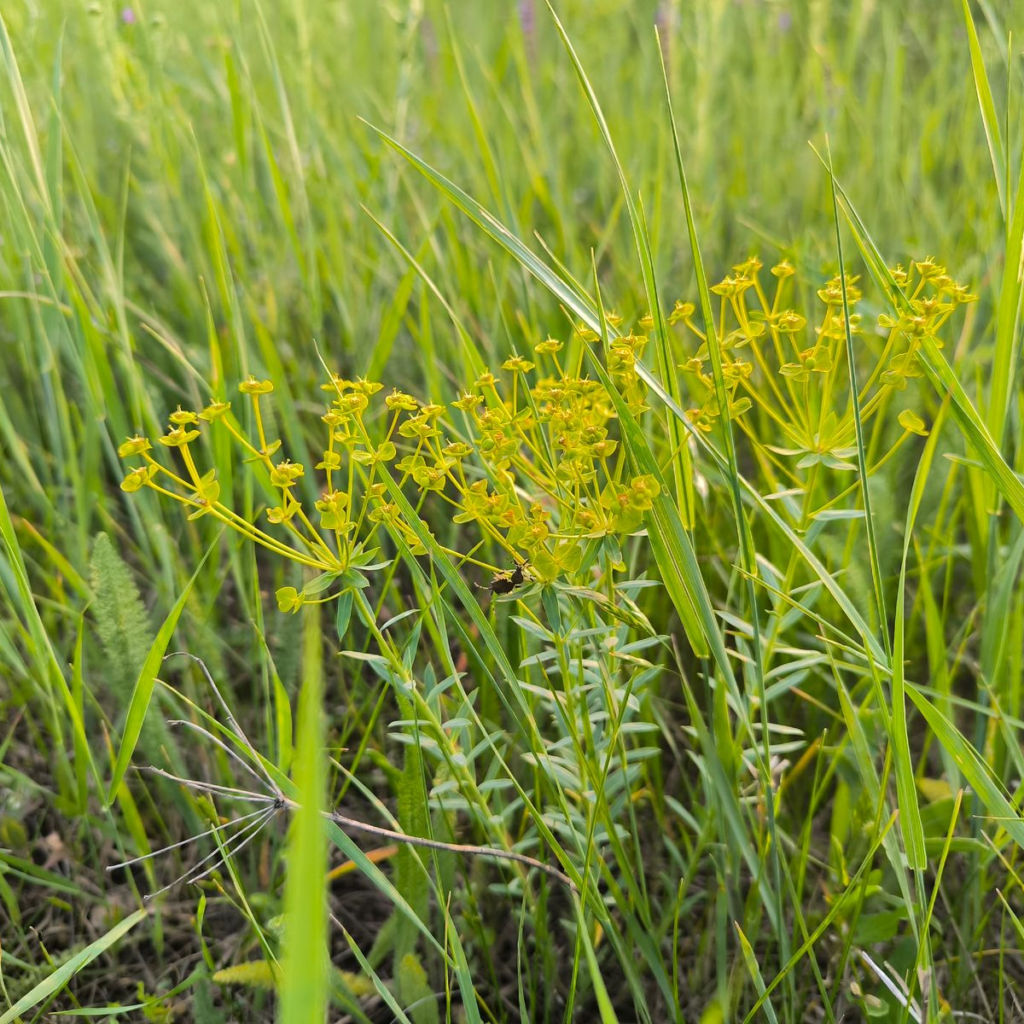
On an abandoned railway site in Arnhem, between gravel and rails, a plant is growing that almost nobody knows: sand wolfsbane. A species that once flourished on river dunes, but now struggles to survive in places where you wouldn’t expect to find it. There are less than ten populations left in the whole of the Netherlands. If we don’t do anything, it will disappear forever.
Many of our original plant species are under pressure. Due to urbanization, intensive agriculture and overgrazing, their natural habitats are disappearing. This also applies to Arnhem, where iconic species such as sand wolfsbane, towerwort, early spring gentian, hill crown and field saxifrage still occur in only a few places. Some species have even almost disappeared.
Plants form the basis of our ecosystems. They provide food and shelter for insects, birds, and other animals. When these species disappear, we not only lose biodiversity but also the resilience of our natural world. Moreover, many of these plants are unique to our region, a piece of cultural and ecological heritage.
In 2024, the municipality commissioned a plan to secure the seeds of these rare species. In 2025, field surveys were conducted and a list of 21 species was compiled, including the critically endangered Sand Wolf Milkweed, among others.

To determine where these species can be sown, ecological knowledge is necessary. Together with Gert-Jan Koopman (Natuurpro / HEEM), a categorization was made based on abiotic factors (the non-living factors such as soil type and humidity) and geomorphology (the shape and structure of the landscape). Based on this, five seed lists were compiled for different conditions:
This approach ensures that plants are not simply sown anywhere, but in places where they can truly survive and contribute to a robust ecosystem. The municipality of Arnhem still needs to devise a plan for how and by whom (for example with the help of volunteers) the dissemination of seeds will take place.
Recognize and protect: Do you see any unusual plants? Report them to local nature organizations or to nature observation platforms such as waarnemingen.nl. The municipality can then take into account management and, if necessary, new landscaping with the presence of the species. Together, we can prevent these plants from disappearing forever. Because when they’re gone, they won’t return.