Direct lines of communication, quick turnaround






10 July 2026
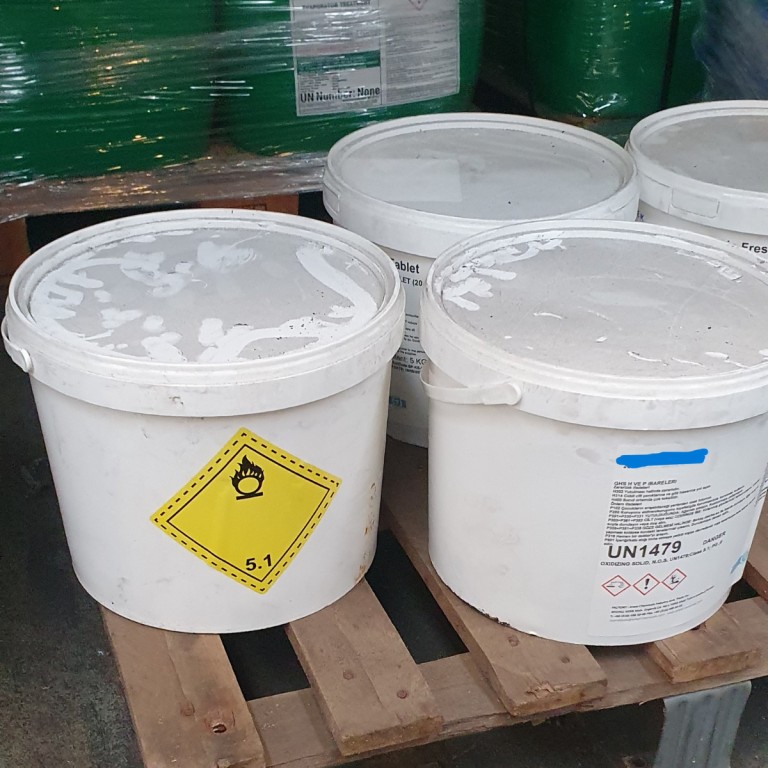
The ARIE scheme (Additional Risk Inventory and Evaluation) has been drawn up for companies that work with hazardous substances, but do not fall under the Seveso III Directive. The scheme is laid down in the Working Conditions Decree (Articles 2.5b to 2.5h inclusive) and obliges companies to pay extra attention to the risks of major accidents involving hazardous substances.
Since 1 January 2023, the ARIE regulations have been tightened and more companies must comply with these requirements. Do you know if your company falls under the ARIE regulations?
External safety
The ARIE scheme is based on the Working Conditions Act and is further elaborated in the Working Conditions Decree. The aim is to prevent major accidents involving hazardous substances and to mitigate the consequences if an incident should still occur. The Netherlands Labour Inspectorate supervises compliance with these regulations.
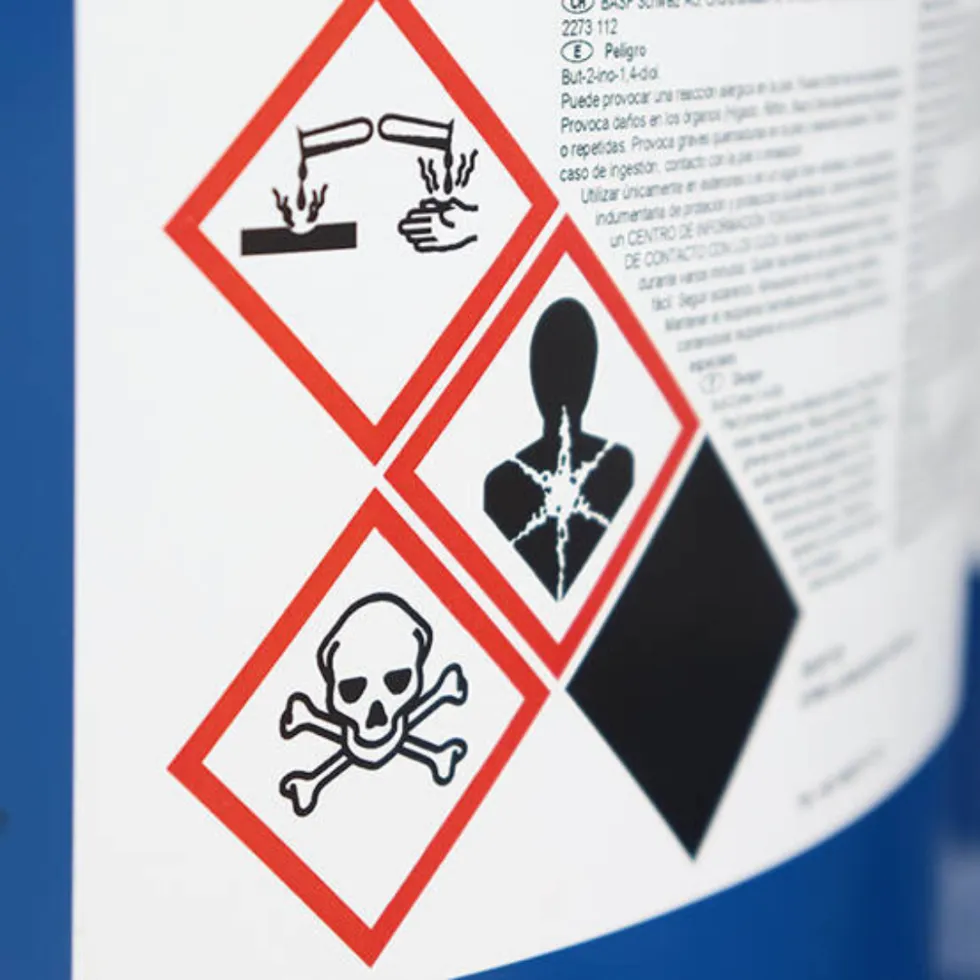
Companies that hold, or may hold, hazardous substances on their premises in quantities exceeding the established threshold values are subject to the ARIE regulations.
You check yourself whether the ARIE regulations apply. You do this by making an inventory of which categories of hazardous substances you have or could have on the premises, and in what quantities. These categories are listed in Annex I of the revised ARIE regulations. Next, you check whether the quantities exceed the threshold values. These threshold values are listed in Annex I, Parts I and II.
De ARIE is een uitbreiding op de reguliere RI&E die alle bedrijven moeten uitvoeren. Bij een ARIE ligt de focus specifiek op risico’s die kunnen leiden tot zware ongevallen met gevaarlijke stoffen. We kijken naar:
Based on the ARIE, you implement appropriate measures to prevent major accidents and mitigate the consequences:
Every company subject to the ARIE regulations must have an internal emergency plan containing at least:
The emergency plan must be regularly practiced and evaluated, at least once every three years.
The ARIE documentation must be up to date and contain at least:
The Major Accidents (Risks) Decree must be updated upon significant changes in operations, and in any case at least once every five years.
We analyse your business situation and determine whether your company is subject to the ARIE regulations. You will receive clear conclusions and recommendations.
We take care of the entire process: from inventory and risk assessment to the development of scenarios and the definition of measures.
We are drawing up a practical internal emergency plan that complies with all legal requirements and is tailored to your specific business situation.
We support the set-up and execution of realistic emergency plan exercises, so that your organisation knows how to act in practice.
Frequently asked questions
The tightened ARIE regulation has been in force since 1 January 2023. From that date, more companies fall under the regulations and the obligations have been modified. An earlier ARIE risk inventory does not automatically have to comply anymore.
The emergency plan must be rehearsed and evaluated at least once every three years. In practice, we advise practising more often, especially if there are changes in personnel, processes or installations.
Start with an analysis of the hazardous substances that you have or may have in your home. Then check whether the quantities exceed the threshold values from Annex I of the regulation. We can carry out this check for you and provide you with a substantiated answer.
Our partners
Within Aurora Group, we work alongside specialists who enhance our quality and cover the entire process, from research to execution and aftercare.
News