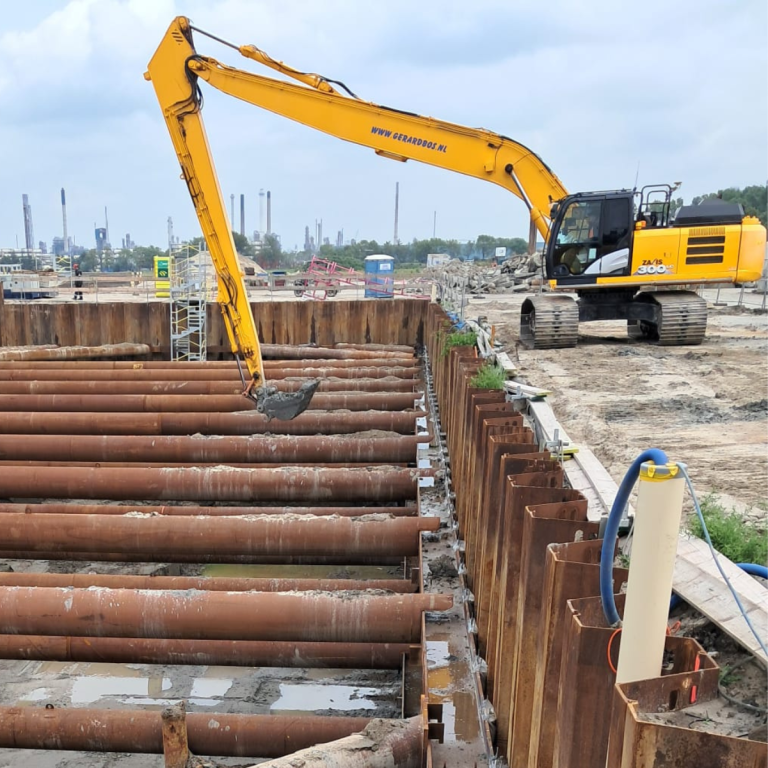
Our own field workers
















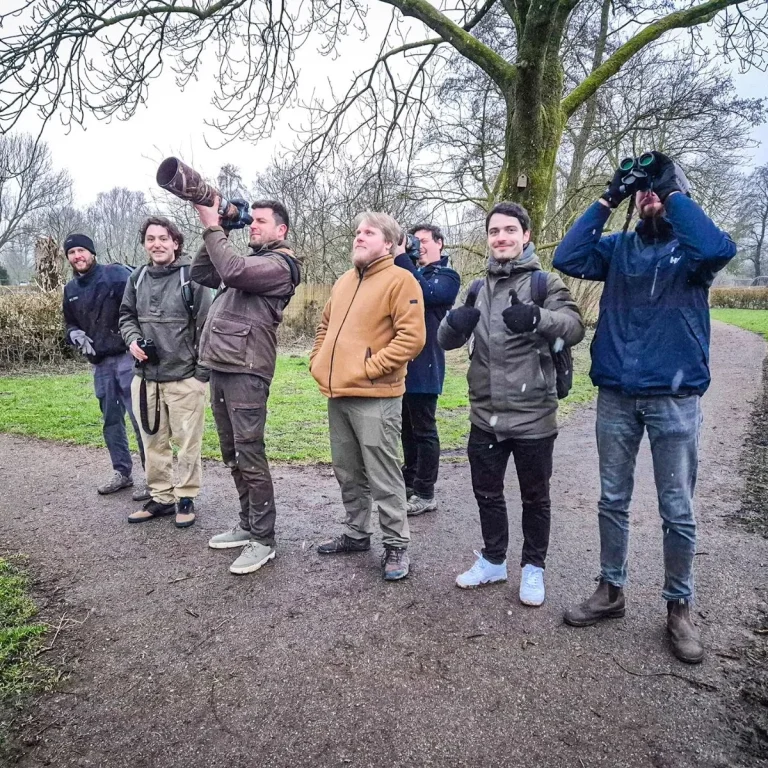
10 July 2026
Soil advice encompasses the full spectrum of research, assessment and advice regarding soil quality. From a preliminary survey during a land transaction to an extensive remediation plan in the event of severe contamination. BRL 1000, 2000 and 6000 certified, in accordance with the applicable NEN standards.
Site investigation
Soil advice encompasses the full spectrum of research, assessment and advisory services related to soil quality. From a preliminary survey during a land transaction to an extensive remediation plan in the event of severe contamination.
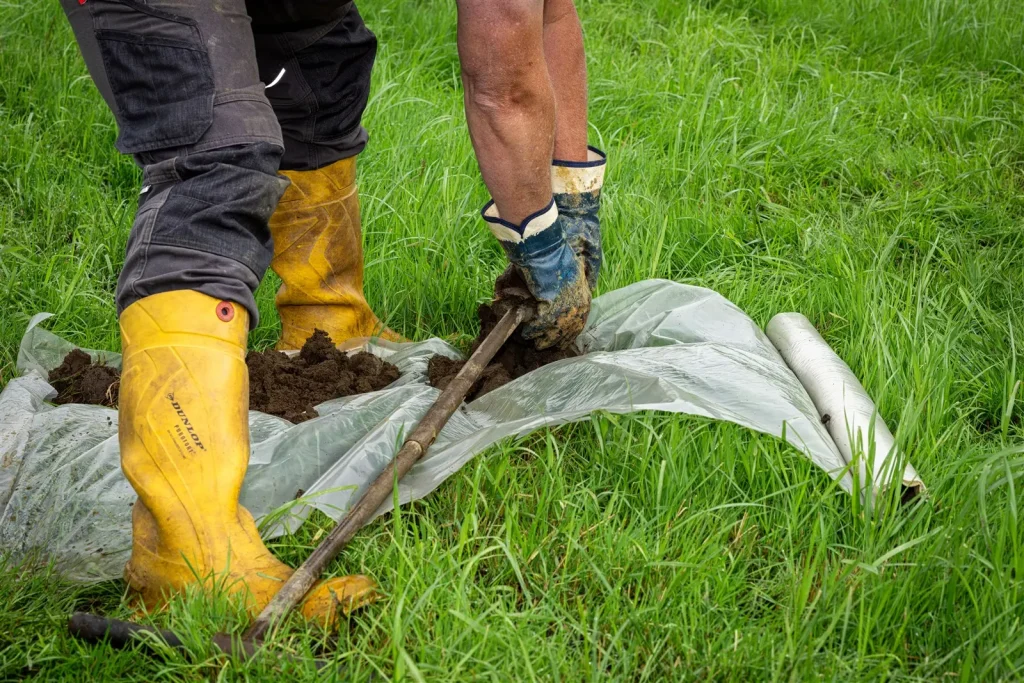
Our approach
From indicative exploration to a complete remediation plan.
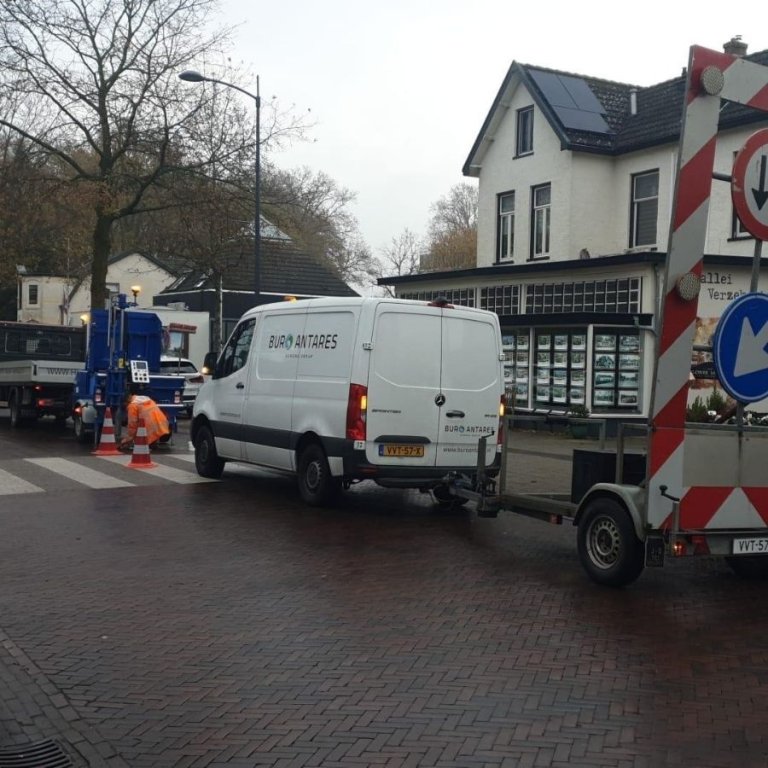
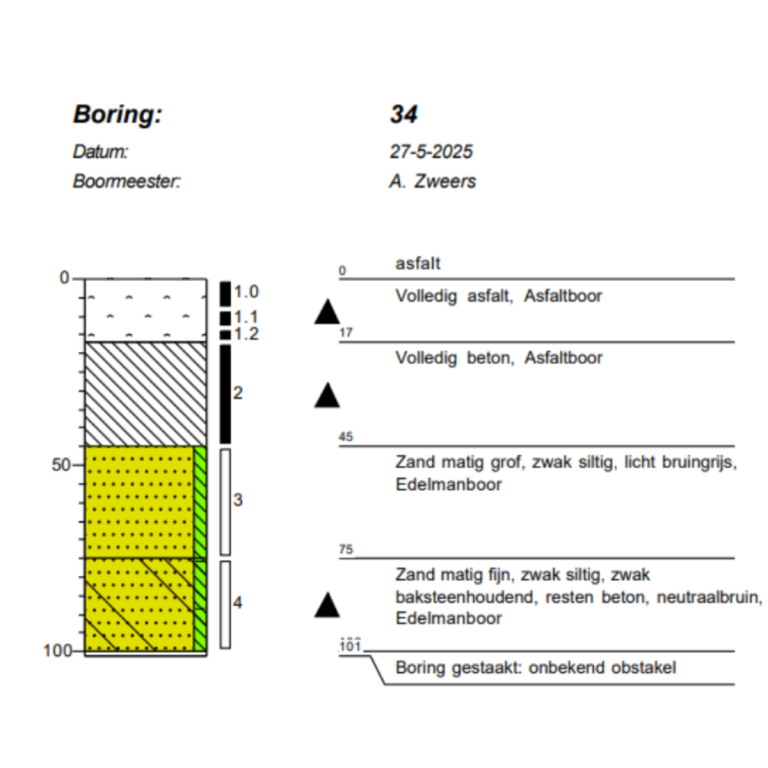
Indicative research into the quality of soil and groundwater. Based on historical research, we determine whether a site is suspect and which parameters are relevant. We drill holes and install level probes according to a fixed pattern and analyze the samples.
If an investigation reveals contamination, further investigation will be carried out. We will determine the extent and the risks, and advise whether remediation is necessary, and if so, in what form.
For plots of land that need to be used elsewhere. We determine whether the land can be reused, and if so where: in a residential area, on an industrial site, or on a natural or agricultural location.
Based on the further investigation, we prepare a remediation plan. We calculate costs, specify which remediation technique is suitable, and proceed with the permitting process with the competent authority.
Foundation
Every investigation begins with historical research.
What activities have taken place at the site? Did oil tanks exist? Were there greenhouses? Did there be demolition activities? Based on that information, we determine what we need to investigate.
As a standard procedure, we investigate down to approximately 5 meters. For substances that sink deeper, such as chlorinated hydrocarbons, we investigate down to 10 or 20 meters.
FAQ
Do you have a question? View the most frequently asked questions or contact us directly.
Get in touchUpon termination of business activities with an environmental permit, an end-of-use assessment is mandatory. When applying for permits for construction or renovation, an up-to-date soil survey is almost always required.
Generally, municipalities consider soil reports older than 5 years to be outdated. An update may also be necessary if the use has changed or after construction activities have taken place.
That depends on the size, complexity, and historical use. For a guideline price, you are best advised to contact us; we will then make a customized quote.
Our partners
Within Aurora Group, we work alongside specialists who enhance our quality and cover the entire process, from research to execution and aftercare.
News